 Chicago Criminal Lawyer Blog


 I frequently receive phone calls from clients who have received a speeding ticket for driving at a high rate of speed. While speaking with these clients, it is not uncommon for me to find out that they were driving at such a high rate of speed that I need to explain to them that what they are charged with is not your typical, run-of-the-mill, speeding ticket. I end up having to explain to them that what they are facing is a criminal charge known as Aggravated or Excessive Speeding that carries a possible jail sentence in County Jail. Let me explain how an Aggravated or Excessive Speeding ticket in Illinois can land you in jail and lead to a criminal conviction that will appear on your record in a routine background search.
Most speeding tickets are considered a petty offense. The typical speeding ticket carries a fine only. This means that you cannot go to jail for your typical speeding ticket. Basically, Illinois Law provides that you cannot drive at a speed that is “greater than is reasonable and proper with regards to traffic conditions and the use of the highway, or endangers the safety of any person or property.” This basically means that you must drive at a safe speed. What is considered a safe speed depends on the conditions at the time. In other words, what is considered a safe speed may vary depending on the time of day and the weather conditions. However, if you are caught driving above the absolute speed limit, you may receive a ticket for speeding regardless of the time of day and conditions. If the speed limit is 55 and you are driving faster than the speed limit, you may receive a ticket regardless of the weather conditions or the time of day. The defense that you were driving with “the flow of traffic” will not work in Court. If the speed limit is 55 and you are driving 55 miles an hour in a blizzard while all the other cars on the roadway are driving at 30 miles an hour, you may receive a ticket for speeding even though you did not exceed the posted speed limit. As you can tell, being found guilty of speeding above the posted speed limit is much easier for the prosecutor to prove in court than it is for them to prove that you were driving greater than what was reasonable and proper with regard to traffic conditions and the use of the highway.
The absolute speed limit is posted on signs. In general, the absolute speed limits on Illinois roads are as follows, unless posted otherwise:
 In the past few years, the Illinois Legislature has enacted laws which make Excessive Speeding a much more serious matter than most people think. Most people are conditioned to believe that if they are pulled over for speeding they will receive a simple speeding ticket and the most that could happen to them is that they have to pay a steep fine and take a Traffic School class. The recent changes to the speeding laws have made certain Excessive Speeding tickets an actual crime. From all of the calls that I get from prospective clients, this area of the criminal law may be one of the most misunderstood subjects.
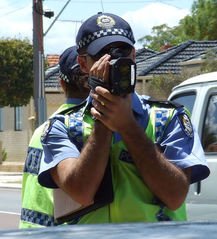 In the past several weeks, I have spoken to several clients who were arrested for Aggravated or Excessive Speeding and were charged with a crime. Most of the people I spoke to did not realize that they could be arrested for speeding. Many people do not understand the Illinois speeding laws and how a simple speeding ticket can lead to you being arrested and facing the real possibility of having a criminal conviction appear on your record and a possible jail sentence in your future. I want to take this opportunity to try to help people understand just how drastic the consequences of a speeding ticket in Illinois can be.
 Recently, I have represented clients who received speeding tickets. In the course of representing these clients, I have come to realize that people do not really understand the Illinois Speeding Laws. In the last few years, the Illinois speeding laws have been changed. The changes have drastically increased the penalties for excessive speeding on Illinois roadways. Drivers are not adequately informed of what the potential consequences can be for a speeding ticket.
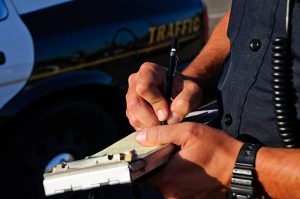 The Public Safety Committee for the Village of Schaumburg has recommended that the Village of Schaumburg allow police officers to write local Municipal Violation tickets for first-time negligent driving offences. The measure is intended to go after drivers who are using hand-held cellphones while they are driving instead of hands-free devices. Village officials claim that the judges at the Rolling Meadows Courthouse are taking these tickets too lightly and not punishing offenders enough.
 The Arlington Heights Police Department has announced that they will have a Traffic Enforcement Campaign in place from June 26 to July 9, 2017. The Traffic Enforcement Campaign coincides with the upcoming Fourth of July weekend. The Traffic Enforcement Campaign will check motorists and vehicles for seatbelt violations, DUI driving, and a roadside safety checkpoint. The first roadside safety checkpoint will take place on June 28th on Arlington Heights Road just south of Algonquin Road. A roadside safety checkpoint is a way that the police can look inside your vehicle and pull you over to the side if they smell something, or see something inside the car, or suspect that the driver is up to no good. What the Arlington Heights Police are planning on doing this weekend is commonly known as a “Police Roadblock.” The Arlington Heights Police will be looking for people that are not wearing their seat belts and are Driving Under the Influence of Alcohol or Drugs. The enforcement campaign is being paid for with Federal Traffic Safety Funds and administered by the Illinois Department of Transportation.